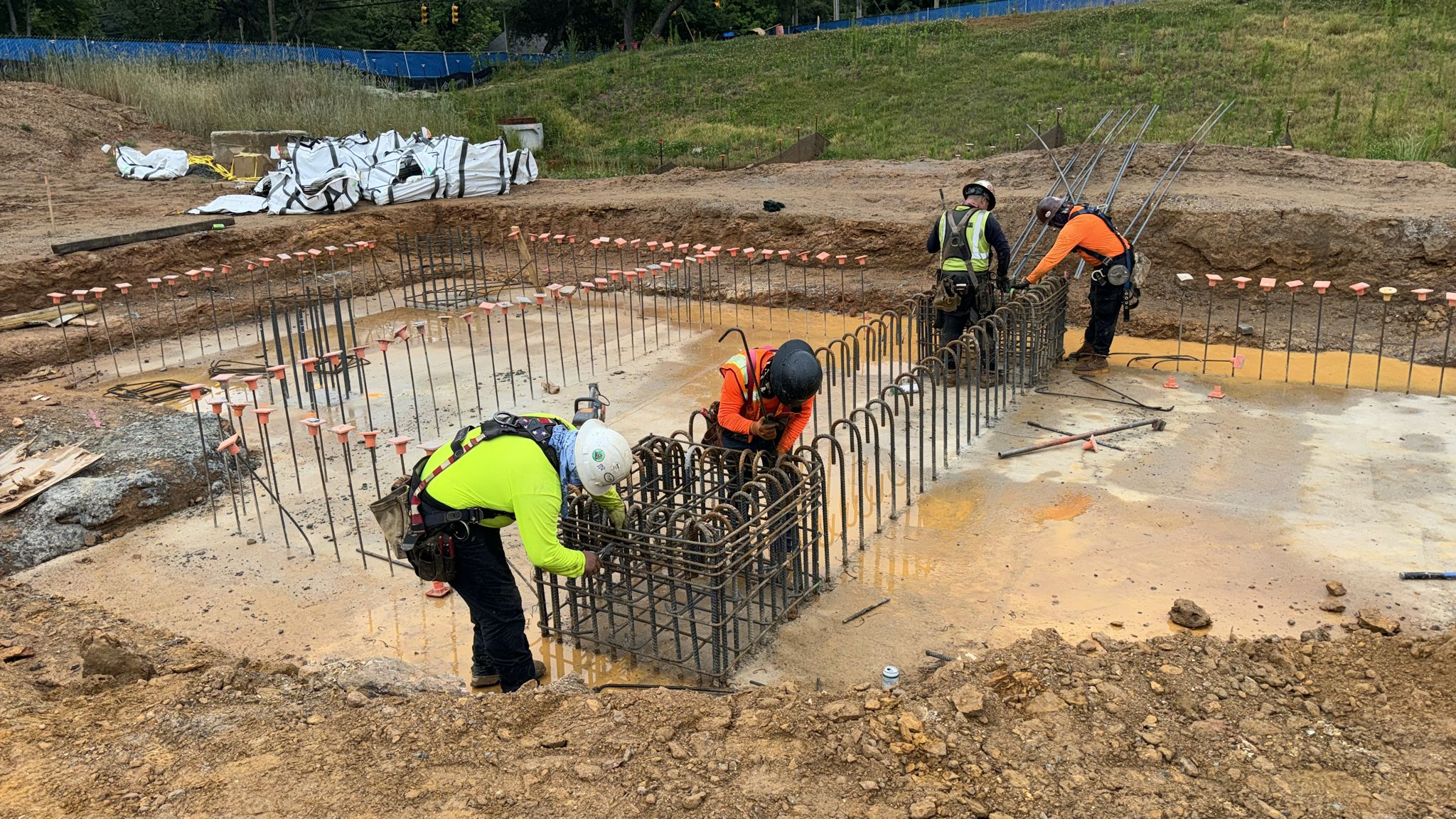
Steps Installation and Repair: A Complete Guide
Concrete steps are a popular choice for both residential and commercial properties due to their durability and aesthetic appeal. However, over time, they may require installation or repair. This guide will walk you through the necessary steps for both installing new concrete steps and repairing existing ones.
Why Choose Concrete Steps?
Concrete steps offer numerous benefits, such as:
- Durability: Concrete can withstand extreme weather conditions.
- Low Maintenance: Requires minimal upkeep compared to wood or metal.
- Aesthetic Versatility: Can be shaped, colored, and finished to fit any design.
- Cost-Effectiveness: Long-lasting solution reducing the need for frequent replacements.
When to Install New Concrete Steps
Here are some signs that indicate it’s time to install new concrete steps:
- Visible Cracks: Large cracks can compromise the structure.
- Uneven Surfaces: Steps that are not level can be hazardous.
- Severe Weather Damage: Erosion or damage from freezing and thawing.
- Aging: Steps that have reached the end of their lifespan.
Steps to Install Concrete Steps
Installing concrete steps involves several key steps:
- 1. Planning: Measure the area and design the steps according to local building codes.
- 2. Preparing the Site: Clear debris and level the ground.
- 3. Building the Form: Construct a frame to hold the concrete.
- 4. Mixing Concrete: Use a concrete mix appropriate for your climate.
- 5. Pouring Concrete: Fill the form and ensure even distribution.
- 6. Finishing: Smooth the surface and add any desired texture.
- 7. Curing: Allow the concrete to cure for the recommended time before use.
Repairing Existing Concrete Steps
If your concrete steps are damaged, follow these repair steps:
- 1. Assess Damage: Identify the extent of the damage.
- 2. Clean the Area: Remove debris, dirt, and loose concrete.
- 3. Patch Cracks: Use a concrete patching compound for small cracks.
- 4. Resurface: For larger areas, consider resurfacing the entire step.
- 5. Seal: Apply a concrete sealant to protect from future damage.
Tools and Materials Needed
Here’s a list of tools and materials you’ll need for installation and repair:
- Concrete mix
- Shovel and trowel
- Bucket for mixing
- Level
- Concrete forms (wood or plastic)
- Concrete patching compound
- Sealant
- Safety gear (gloves, goggles)
Safety Precautions
Before starting your project, take these safety precautions:
- Wear protective gear: gloves, goggles, and a dust mask.
- Ensure proper ventilation if working indoors.
- Follow manufacturer instructions for all materials used.
- Keep children and pets away from the work area.
Conclusion
Concrete steps are a valuable addition to any property, but they require proper care and maintenance. Whether you are installing new steps or repairing existing ones, following this guide will ensure a successful project. For more complex installations or repairs, consider hiring a professional like HDM Concrete Service LLC, who can provide expertise and ensure safety.