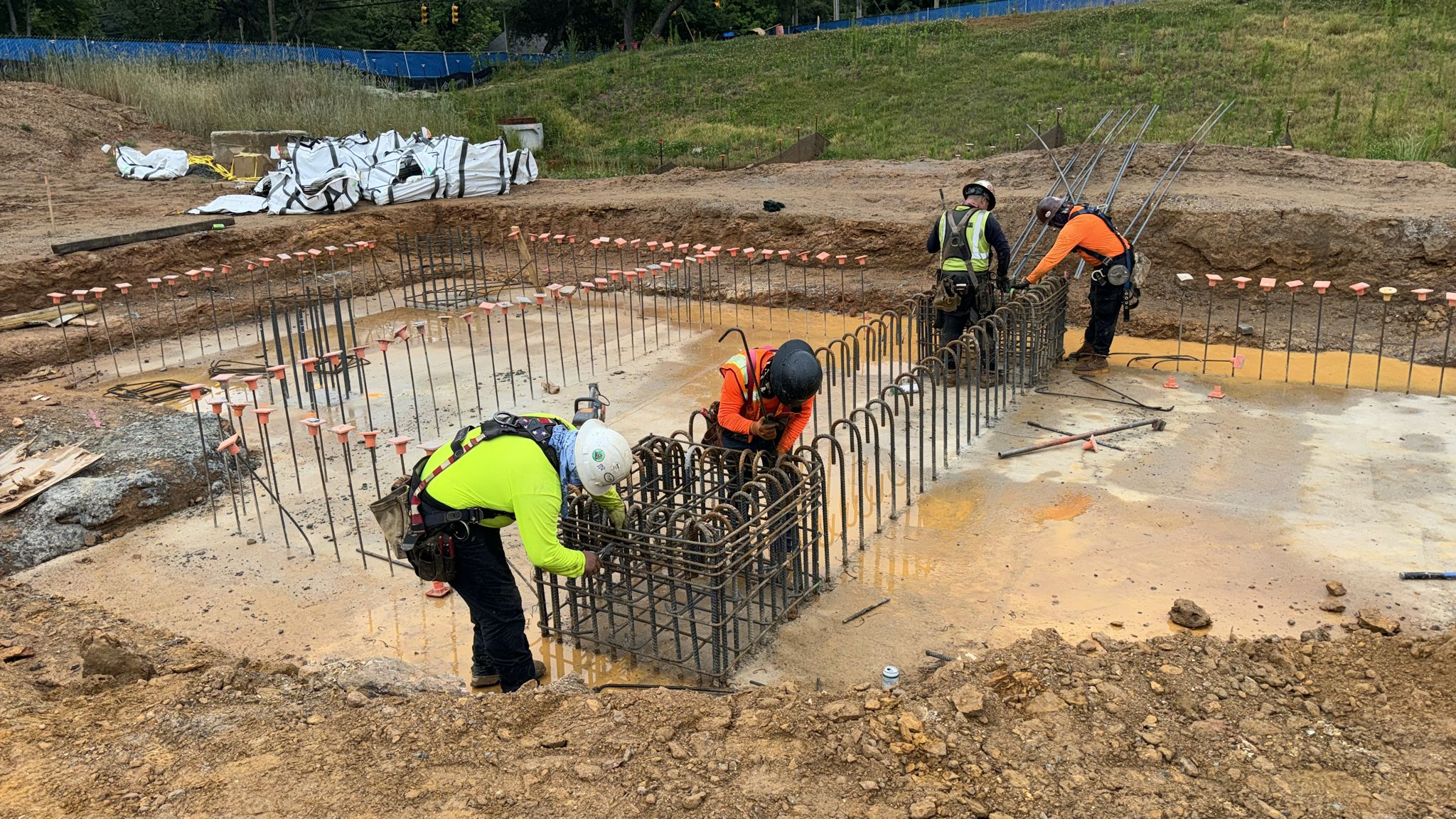
Understanding Concrete Retaining Walls: Benefits and Applications
Concrete retaining walls are an essential component in landscaping and civil engineering. They provide support and stability for soil, making them ideal for various applications, from gardens to highways. This blog post will explore the benefits and applications of concrete retaining walls, helping you understand why they might be the right choice for your next project.
What are Concrete Retaining Walls?
Concrete retaining walls are structures designed to restrain soil to unnatural slopes. They are primarily used to hold back soil, prevent erosion, and create level areas in hilly terrains. Constructed from concrete, these walls can be customized for size, shape, and finish.
Benefits of Concrete Retaining Walls
- Durability: Concrete is resistant to weathering, ensuring longevity.
- Low Maintenance: Once installed, they require minimal upkeep compared to other materials.
- Versatility: Can be customized in various sizes and designs to fit aesthetic and functional needs.
- Erosion Control: Effectively manage soil erosion and prevent landslides.
- Increased Usable Space: Create flat areas in sloped landscapes, perfect for gardens or patios.
Durability and Longevity
Concrete retaining walls are known for their strength and durability. Unlike wood or other materials that may rot or degrade over time, concrete can withstand harsh weather conditions, making it a long-term solution for your landscaping needs.
Versatile Design Options
Concrete can be molded and shaped into various styles, allowing for creative landscaping solutions. Whether you want a simple, functional wall or an aesthetically pleasing feature, concrete can accommodate your vision.
Erosion Control and Soil Stability
One of the primary functions of a retaining wall is to provide stability to sloped areas. By preventing soil erosion, these walls protect your property and landscape investments from damage.
Applications of Concrete Retaining Walls
- Residential Landscaping: Used for gardens, patios, and terraces.
- Commercial Properties: Enhances the usability of sloped land for businesses.
- Highway and Road Construction: Supports embankments and prevents soil erosion.
- Public Parks: Creates level spaces for recreational areas.
Residential Landscaping
In residential applications, concrete retaining walls can transform sloped backyards into usable spaces. They allow for the creation of tiered gardens, patios, and other outdoor living areas.
Commercial Applications
Businesses often utilize concrete retaining walls to maximize the use of their land, ensuring stability and enhancing the aesthetic appeal of their properties.
Infrastructure and Public Works
In larger projects, such as highways and public parks, retaining walls are vital for managing land slopes and providing safe, accessible areas for the public.
Conclusion
Concrete retaining walls offer numerous benefits, including durability, versatility, and effective erosion control. Their applications range from residential landscaping to large-scale infrastructure projects, making them an invaluable asset in any construction or landscaping endeavor. If you’re considering a project that requires soil stability or aesthetic enhancements, concrete retaining walls might be the perfect solution.
Contact HDM Concrete Service LLC
For professional installation and advice on concrete retaining walls, visit HDM Concrete Service LLC at hdmconcreteservicellc.com. Our team is ready to assist you with all your concrete needs.