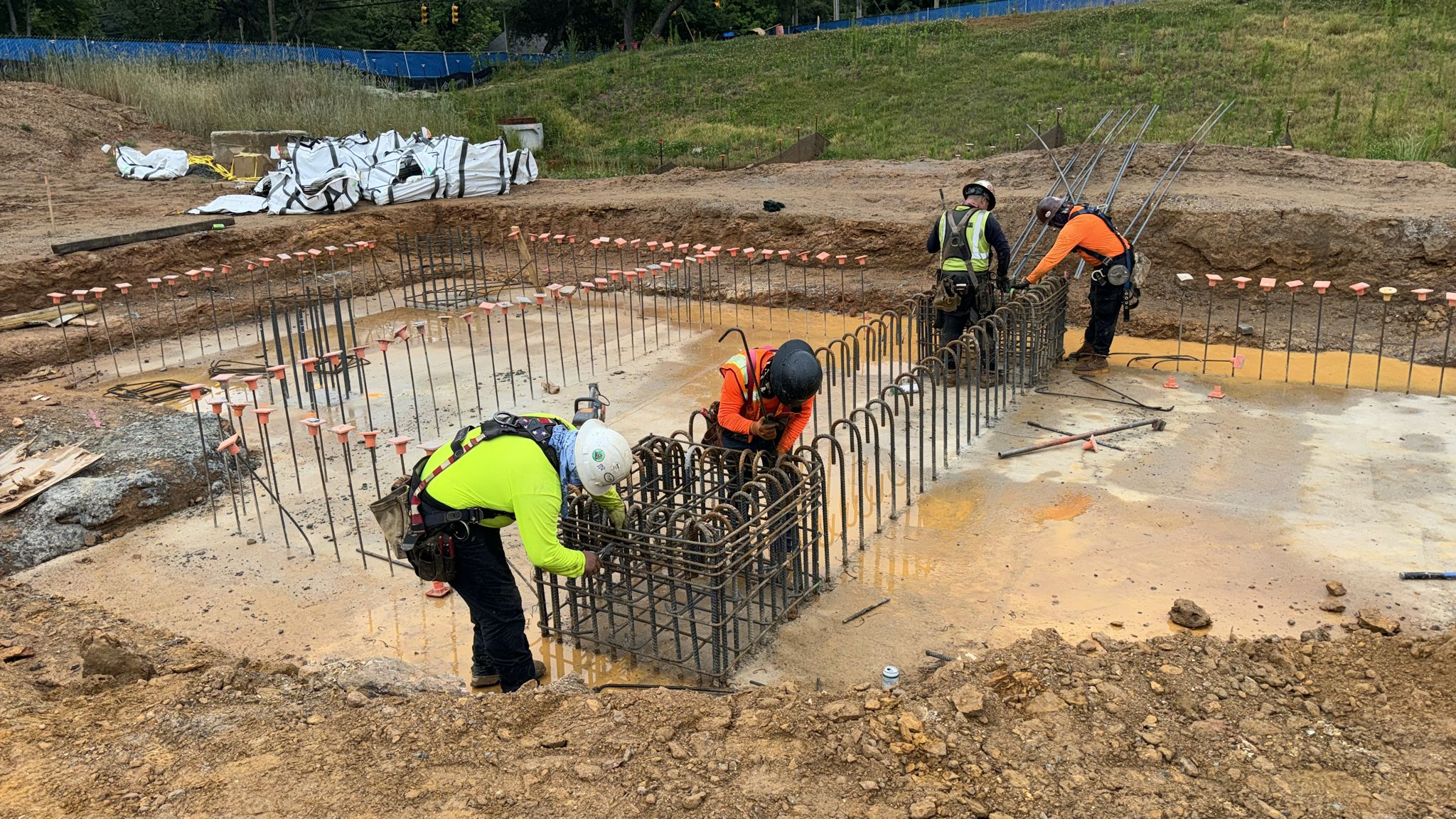
The Process of Installing New Driveways
Installing a new driveway can significantly enhance the curb appeal of your property while providing a durable and functional space for parking. This process involves several steps, from selecting the right materials to ensuring proper drainage and installation techniques.
Choosing the Right Material for Your Driveway
When it comes to driveway installation, selecting the right material is crucial. Here are some popular options:
- Concrete: Durable and low maintenance, ideal for various climates.
- Asphalt: Cost-effective and quick to install, but may require more maintenance.
- Pavers: Offer aesthetic flexibility and can be repaired easily.
- Gravel: Affordable and easy to install, but may require regular upkeep.
Planning Your Driveway Installation
Proper planning is essential for a successful driveway installation. Here are key considerations:
- Determine the size and layout of the driveway based on your needs and available space.
- Check local zoning regulations and permits required for installation.
- Consider drainage solutions to prevent water pooling and damage.
The Driveway Installation Process
1. Site Preparation
The first step in driveway installation involves preparing the site. This includes:
- Clearing the area of any vegetation, debris, or old materials.
- Excavating the soil to the required depth, typically 4 to 6 inches.
- Leveling the ground to ensure a smooth base.
2. Installing the Base
After site preparation, a strong base is crucial for the longevity of the driveway. This involves:
- Laying down a layer of gravel or crushed stone to facilitate drainage.
- Compact the base material to provide a stable foundation.
- Ensure that the base is graded to direct water away from the house.
3. Pouring the Concrete or Laying Other Materials
Once the base is ready, the next step is to pour the concrete or lay other materials. This includes:
- For concrete driveways, mix the concrete and pour it into the prepared area.
- For asphalt, apply it in layers and compact it down.
- For pavers, lay them in the desired pattern and fill gaps with sand.
4. Curing and Finishing Touches
After installation, proper curing is essential, especially for concrete. Here are the steps:
- Cover the concrete with a curing compound or plastic sheeting to retain moisture.
- Allow the concrete to cure for at least 7 days before using the driveway.
- Add finishing touches like sealing the surface for enhanced durability.
Maintaining Your New Driveway
To ensure the longevity of your new driveway, consider these maintenance tips:
- Regularly clean the surface to prevent stains and debris buildup.
- Seal the driveway every few years, especially if it's made of concrete or asphalt.
- Repair any cracks or damage promptly to avoid more serious issues.
Conclusion
Installing a new driveway is a worthwhile investment that enhances your property’s value and functionality. By carefully planning and executing the installation process, you can ensure a durable and attractive driveway that meets your needs for years to come.